The Record: The Most Intensive Bombing Campaign of the 21st Century — and What It Means for India
Day 13 of Operation Epic Fury
BY VK SHASHIKUMAR
Thirteen days into ‘Operation Epic Fury’, the numbers are in. They are not ambiguous, not contested, and not classified. They are a matter of official Pentagon record and independent verification by ‘Airwars’, the London-based conflict monitoring group. And they tell a story that the architects of this campaign did not intend — and that India, 3,000 kilometres from the nearest strike, cannot escape.
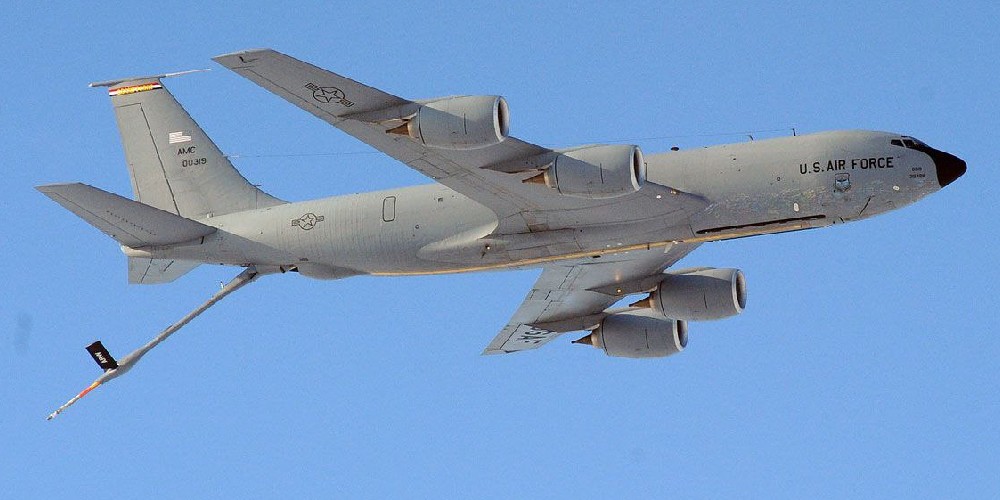
By the end of the first week, the United States had dropped more than 2,000 munitions on Iran. Israel had dropped approximately 5,000. Combined: roughly 7,000 munitions in seven days — approximately 1,000 targets per day in the opening phase. The US military acknowledged that the first 24 hours were “roughly double the scale” of the 2003 Iraq war’s opening. Airwars confirmed on March 6 that these were “significantly more targets hit per day than any campaign in recent decades.”
For context: Israel’s Gaza campaign averaged 478 targets per day. The anti-ISIS campaign averaged 16. Operation Rough Rider against the Houthis, 20. The June 2025 Israel–Iran war, 75. Desert Storm in 1991 opened with 150. Epic Fury opened at 1,000. CSIS estimated 2,600 US munitions in the first 100 hours. The cost: $890 million to $1 billion per day. Congress has been asked for $50 billion in munitions replenishment. The US is planning for 100 days of operations, potentially until September.
Over 30 Iranian ships have been sunk, including one submarine. Three hundred missile launchers neutralised. Two hundred air defence systems destroyed. On March 4, the IRIS Dena — a Moudge-class frigate that was India’s guest at the International Fleet Review and Exercise MILAN at Visakhapatnam just two weeks earlier, welcomed by the Eastern Naval Command with the #BridgesOfFriendship — was torpedoed by a US submarine 40 miles off Sri Lanka. Eighty-seven sailors killed. The first US torpedo kill since 1945. In India’s own maritime backyard.
By any metric, this is the most intensive aerial bombing campaign of the 21st century.
And Yet
Here is the fact the munitions data cannot explain: thirteen days in, Iran continues to retaliate strategically across ten or more countries simultaneously.
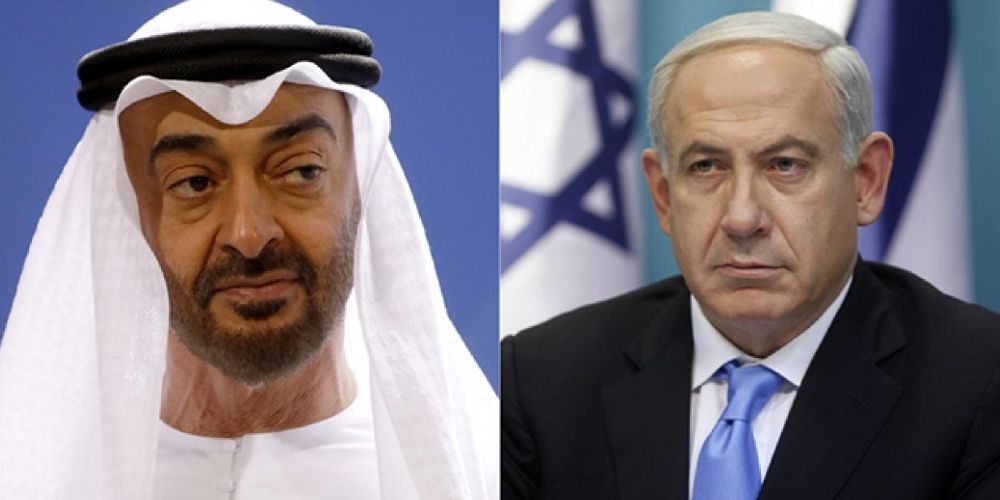
Within the first 24 hours, the IRGC launched six retaliatory waves against 27 US bases and Israeli facilities. In a single day, 137 missiles and 209 drones hit the UAE. Sixty-five missiles and 12 drones struck Qatar. Kuwait International Airport was hit. Bahrain’s Fifth Fleet headquarters was targeted. Saudi Arabia confirmed strikes on Riyadh and its eastern province. RAF Akrotiri in Cyprus took a drone. A missile landed in Turkey, triggering NATO Article 4 consultations. Even Oman — the mediator whose foreign minister had announced a nuclear “breakthrough” the night before the strikes — was struck.
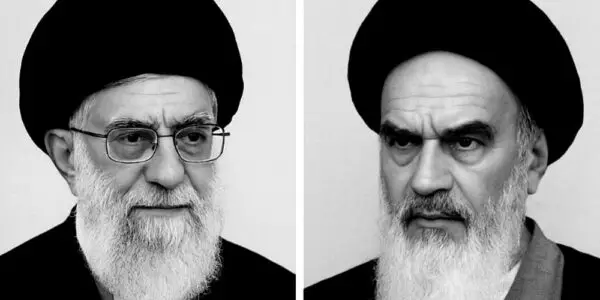
By day 13, the retaliation had evolved. Iran actively mined the Strait of Hormuz. Drones hit fuel tanks at Oman’s Salalah port. Saudi Arabia’s Ras Tanura facility was struck. Iraqi oil production collapsed 70 per cent. Kuwait cut output. On March 12, Iran’s new Supreme Leader Mojtaba Khamenei — who survived an Israeli airstrike on March 8 and was named leader that same day — issued his first public statement: the Strait of Hormuz will remain closed as a “tool to pressure the enemy.” All US bases in the region must close immediately or “will be attacked.” Iran’s military warned it would “set the region’s oil and gas on fire” if its energy infrastructure is targeted.
Oil has reached $114 per barrel. Qatar’s energy minister warned of force majeure. The G7 agreed to the largest-ever coordinated release of strategic reserves — 400 million barrels. The IEA called an emergency session.
India at the Receiving End
India imports 88 per cent of its crude oil. Approximately 50 per cent of those imports — around 2.5 million barrels per day — transit the Strait of Hormuz. As of March 10, 37 Indian-flagged oil and LPG tankers were stuck in waters near the strait. Commercial LPG shortages have begun: hotels are reporting supply cuts. City gas distribution is next. Kpler, the energy analytics firm, identified India as facing “the most acute near-term exposure” of any major economy. The conflict is, as Deloitte South Asia’s chief growth officer put it, a “black swan” for Indian energy.
The rupee is under pressure. MUFG Research projects USD/INR breaching 95 if the conflict is sustained and oil remains above $100; in a tail-risk scenario of $120 sustained crude, 97.50 is achievable. SBI Research estimates every $10 per barrel rise adds 35–40 basis points to inflation. If oil hits $130, India’s GDP growth may fall from 7 per cent to 6 per cent. India’s $11.8 billion in annual food exports to West Asia is at risk. Forty per cent of India’s fertiliser imports come from the Middle East — disruption now, during the kharif planting preparations, translates into crop yield drops later in 2026.
Over 52,000 Indians have been evacuated from the Gulf in the first week alone. Nine million remain. An Indian was critically wounded on the LCT Ayeh in the Strait of Hormuz. Three hundred and fifty Indian domestic flights were cancelled in a single day. IndiGo shares fell 5 per cent. Air India cancelled all flights to the UAE, Saudi Arabia, Israel, and Qatar. The weekly impact to Indian airlines: an estimated ₹875 crore ($96 million). India has proposed deploying the Indian Navy to safeguard oil supplies — an acknowledgement that the war has arrived at India’s doorstep.
And 30 per cent of India’s remittances — slightly more than 1 per cent of GDP — come from the Middle East, where 50 per cent of India’s overseas workers are based. If the crisis extends, that lifeline frays.
Seven thousand munitions. A billion dollars a day. The most intensive bombing campaign of the century. And India — which had no seat at the table where this war was decided — is paying the price in stuck tankers, falling currency, rising inflation, grounded flights, and nine million citizens in a war zone.
(VK Shashikumar is a former roving foreign affairs correspondent who covered West Asia, and later set up the investigations team at CNN-IBN, now News18. He writes on geopolitics, conflict, and strategic affairs. The opinions expressed by the author and those providing comments are theirs alone, and do not reflect the opinions of Canary Trap or any employee thereof)
Canary Trap is on Telegram. Click here to join CT’s Telegram channel and stay updated with insightful and in-depth content on Security, Intelligence, Politics, and Tech.