
Security and Intelligence
The section is dedicated to bringing readers the most urgent and impactful stories around the issues of security and intelligence of India.

World News
Stay informed with insightful reports on the global news developments from the most experienced foreign affairs journalist.

History
The section offers you an exclusive window into some of the interesting pieces around Global and Indian political and miliary history.
-
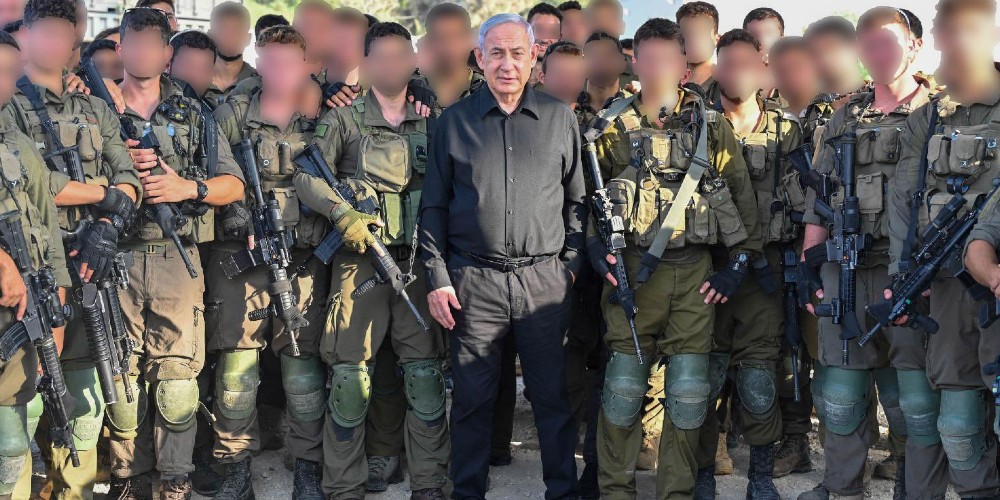
Post Gaza query: Israel in New World Order minus the hegemon?
The exclusive Israeli-style vengeance witnessed in the 51 days of bombardment, a jaw for a tooth, was possible only with the US hegemon standing four square behind all of Israel’s actions.
-
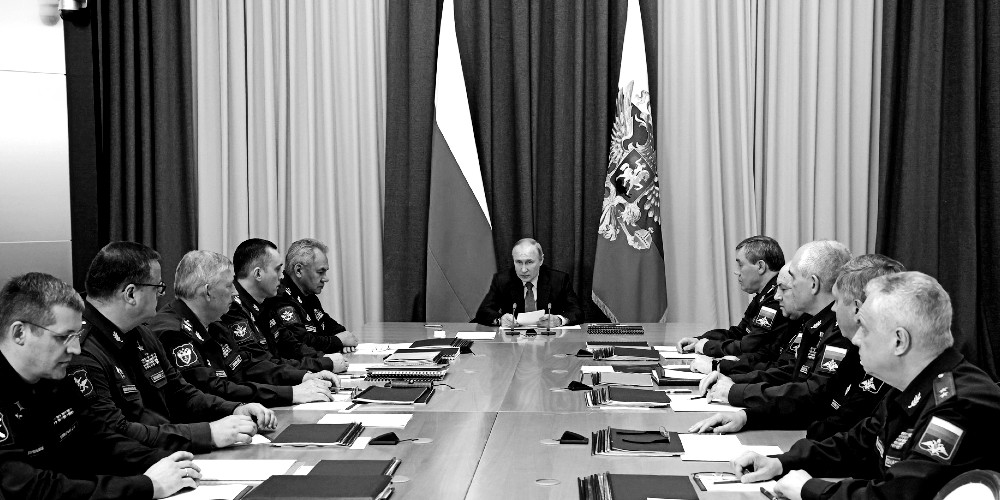
Pivot to Poland: Is that the trajectory of Ukraine war?
Putin revealed that reliable intelligence gathered by the Kremlin confirm US plans to insert into western Ukraine a Polish expeditionary force “for a subsequent occupation of these territories.”
-
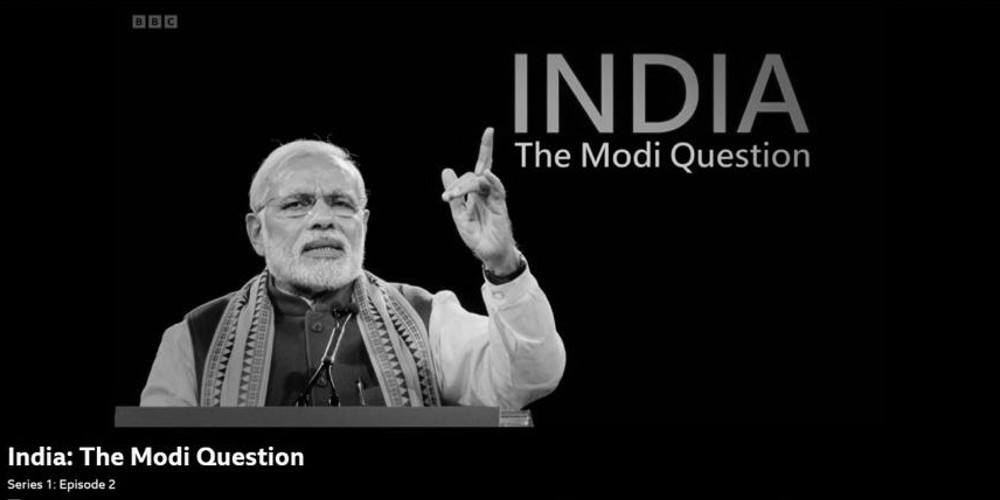
BBC documentary: Thames not on fire, why is the Jamuna?
There is no end to speculation. The latest being that the BBC was the cat’s paw for the foreign office: Modi was being punished for having veered away from the Western line…
-
A proxy war could not oust Assad; can it defeat Russia?
In other words, the US, with very deep pockets, is looking for a never ending war, a war of attrition. Having failed to defeat Putin, the idea is to outspend him, bleed…
-
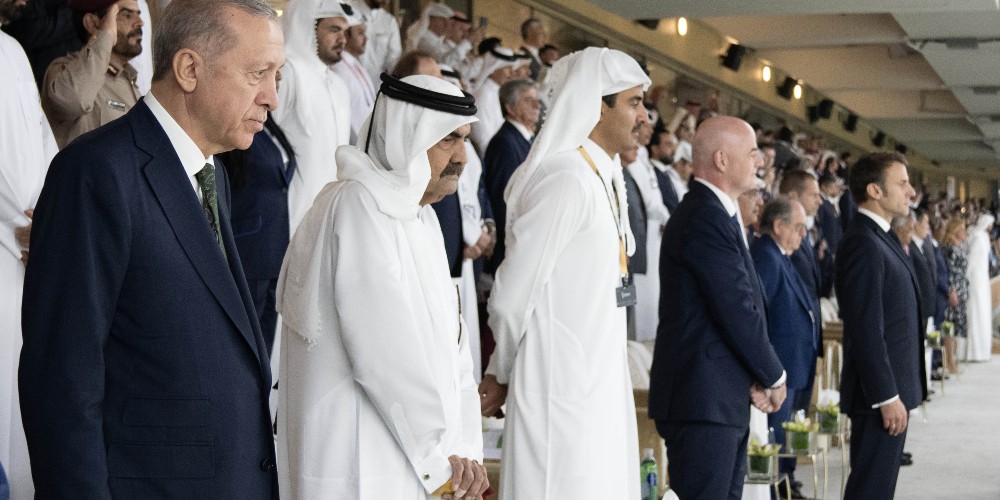
Messi, Mbappe, World Cup are nuggets on Qatar’s super exceptionalism
The Cassandras were proved wrong as Qatar successfully continued to wear its own brand of exceptionalism on its sleeve. History will remember it as a superbly arranged event.
-
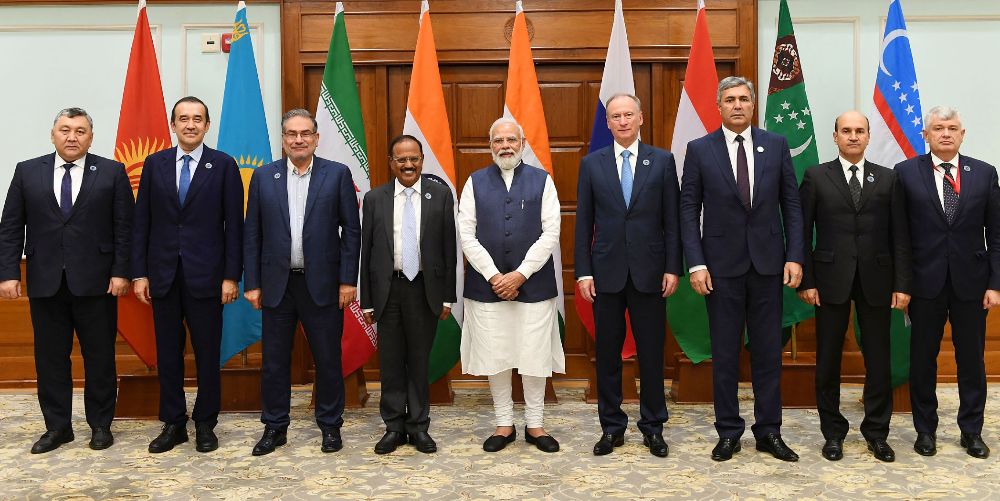
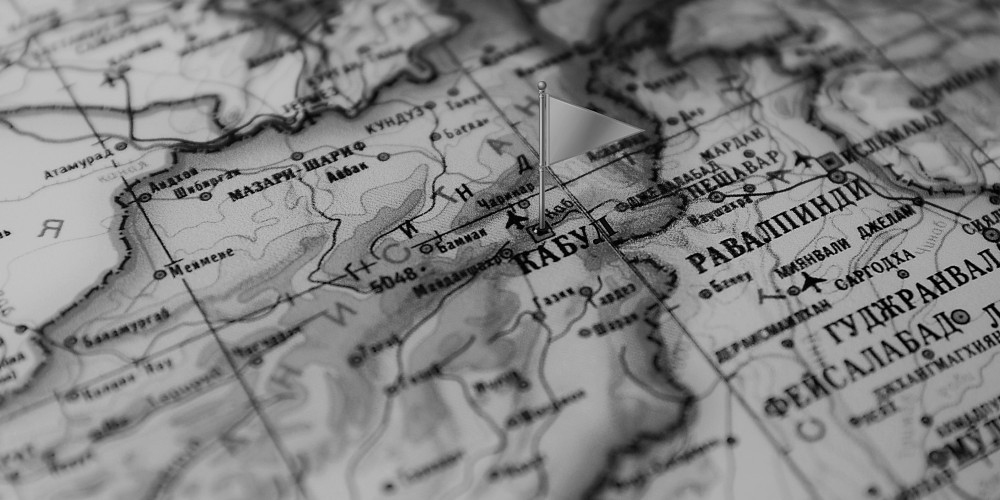
An eerie silence over Afghanistan could end with a bang
In essence Russia, China, India, Iran and other central Asian republics are trying to stabilize Kabul. The US and its NATO allies are touching bases towards their strategic ends to deftly neutralize…
-

Lavrov: Not Russia alone, Europe too is US target
The change in world order entailed gains and losses in global stature. The West, led by the US would, sooner or later lose its hegemony. The instruments it had developed to advance…
-

TikTok in China versus the United States
In CBS ’60 mins’ last week Tristan Harris, the leading researcher on Chinese high level social media strategy revealed how TikTok is designed to waste entire generations across the world, such that…
-
Chastened by the Mid-Term verdict, Biden may encourage Ukraine negotiations
How far towards negotiations Russia, Washington over Ukraine are inclined will be revealed in their respective body language when Anthony Blinken and Sergei Lavrov meet at the G20 Summit in Bali on…
-
November Congressional results may determine Biden-Putin meet at Bali
Media disinformation notwithstanding, one outcome of this war is more or less established – we are transiting from US hegemony to a multipolar world. The process became imminent in 2008.