
Tag: India-Pakistan
-
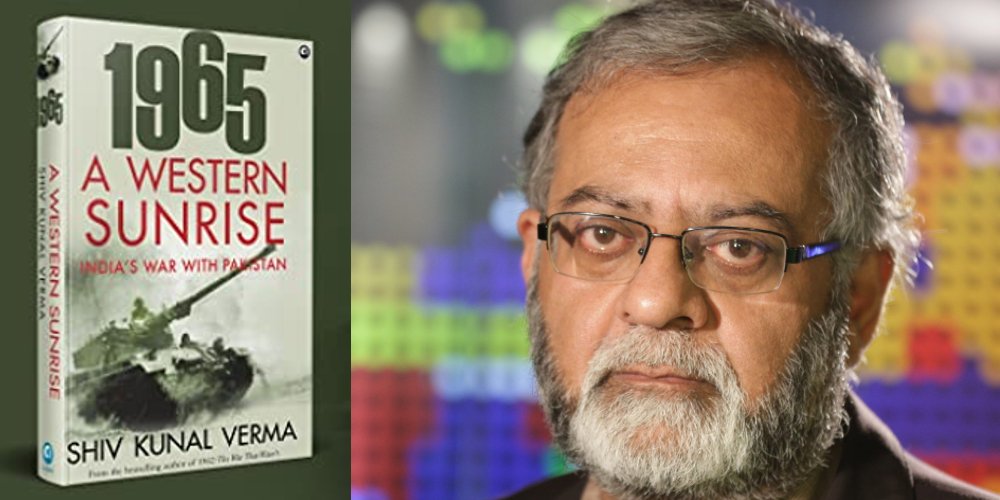
Book Excerpt: 1965 – A Western Sunrise
In a scenario where decision-making was highly personalized, once Bhutto gave Ayub Khan the assurance that India would confine the fighting to Kashmir, he gave it the go-ahead. The question then arises:…
-
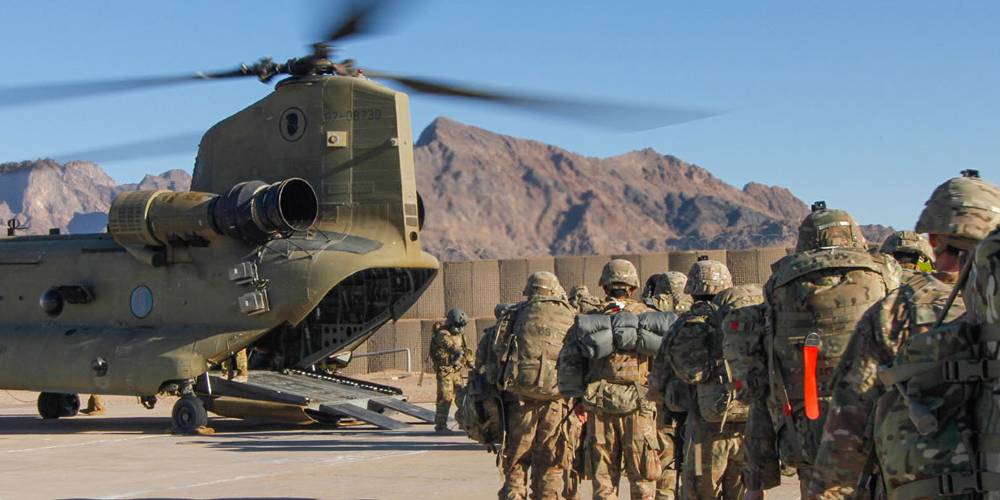
Indo-Pak pirouette on Afghan talks: Will they be in step?
Americans are faced with an impossible task. They do not wish to be seen to be installing a Talib Emirate in Kabul. If identified with such action they may never look like…
-
’83 Indian Soldiers are in Pakistani Captivity and Successive Govts Have Forgotten About Them’ (The Wire)
Believe it or not, as many as 83 Indian soldiers are in Pakistani captivity, some dating from as far back as the 1965 and 1971 wars, and it appears that successive Indian…
-
The True Story of India’s Decision to Release 93,000 Pakistani POWs After 1971 War (The Wire)
What motivated Mrs Gandhi to release the POWs? What went on behind the scenes? Were there any compelling circumstances at play that have remained unreported?
-
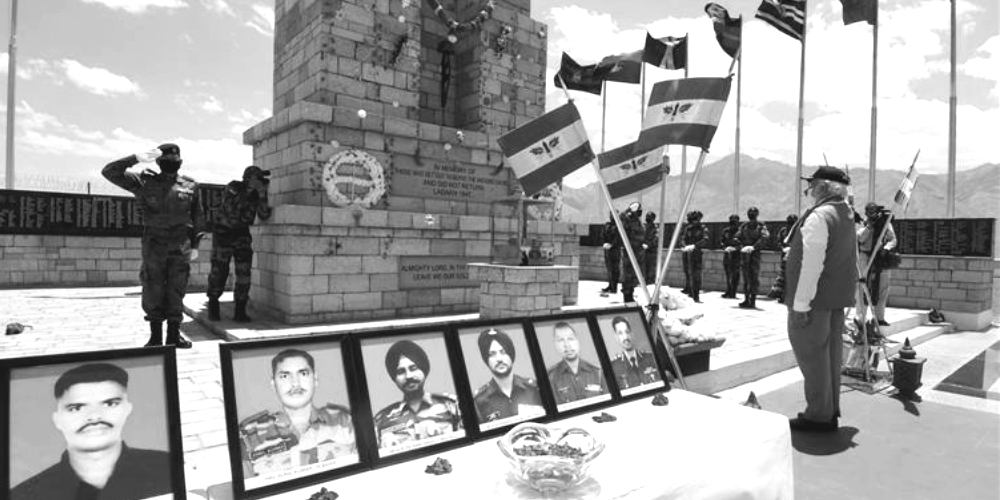
Ladakh standoff: Target G219, deploy weapons of peace
First, India needs to call off the ridiculous military to military talks and if you must, then engage the Chinaman through the existing diplomatic channels–after all Sun Weidong is there for a…
-
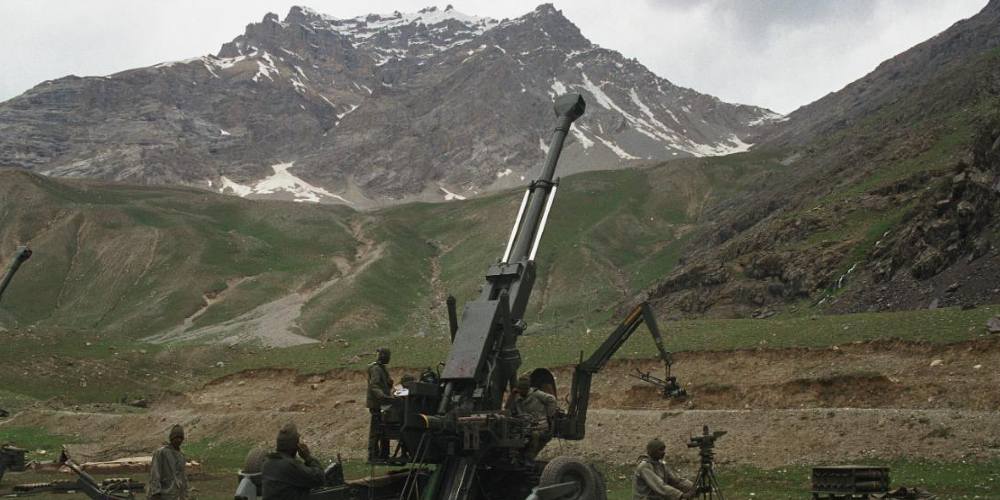
Kargil War Redux in Galwan? A war reporter’s recollection of Operation Vijay
By occupying areas in Pangong Tso lake region till Finger 4, China’s PLA has effectively taken over India’s buffer zone territory and reduced its claim line by 8 km from what it…